Potentially 3 meltdowns occurred, after a 'perfect storm' swamped badly-sited and antiquated reactors.
The end result: a few people with radiation burns, a local shortage of electricity, and a release of radiation that - while significant - doesn't come close to the radiation released by the thousands of atomic bomb tests performed in Nevada this last century. An area will be uninhabitable for a while.
Lessons learned: nuclear power is pretty darn safe, although you shouldn't build 50s-style reactors near the coast in a tsunami zone. If you do, don't live nearby. No surprises there.
I know what you were trying to say, but "doesn't come close to the radiation released by the thousands of atomic bomb tests" isn't exactly the way to calm people about the amount of radiation leaked.
The most significant thing made apparent by this nuclear disaster, personally, has been how carefully authorities are forced to step around an uneducated public and a wild, hysterical mass media. How can we ever have transparency and full disclosure while the press are inclined to behave this way?
AFAIK even the most efficient bombs only convert a very small (sub 1) percentage of the fissible material to energy. And (in the case of the over 500 airblasts) "aerosolize" all of the rest 100% and spread it throughout the troposphere, ensuring that the whole world gets its share.
While it's true that reactors contain far more radioactive material, they don't typically "aerosolize" much of it - Tchernobyl was pretty much a worst case scenario in that regard, and Fukushima thankfully was not.
I am no expert, but I think a nuclear bomb exploding converts radioactive isotopes to other less massive/energetic radioactive isotopes, but the resulting material is (often) still radioactive. So I am not sure how efficiency factors in there.
>Lessons learned: nuclear power is pretty darn safe, although you shouldn't build 50s-style reactors near the coast in a tsunami zone. If you do, don't live nearby. No surprises there.
I would say that it was a surprise to everyone involved. Or are you saying that everyone who lives near a nuclear reactor shouldn't be surprised when their homes become uninhabitable? I wonder if the nuclear industry would agree with that statement.
Lessons learned: nuclear power is pretty darn safe, although you shouldn't build 50s-style reactors near the coast in a tsunami zone. If you do, don't live nearby. No surprises there.
It might have been a perfect storm, but it was entirely predictable. They just decided that the costs associated with removing the risks were too high, so they built for a 2M (or whatever it was they planned for) Tsunami instead.
And it's misleading to call these reactors antiquated. They were built with projected lifespans that go well past the present day, and if you replace them or reduce the lifespans it (badly) affects the cost of Nuclear power.
BTW, if you think that was badly-sites and antiquated then I've got a few others you might want to avoid:


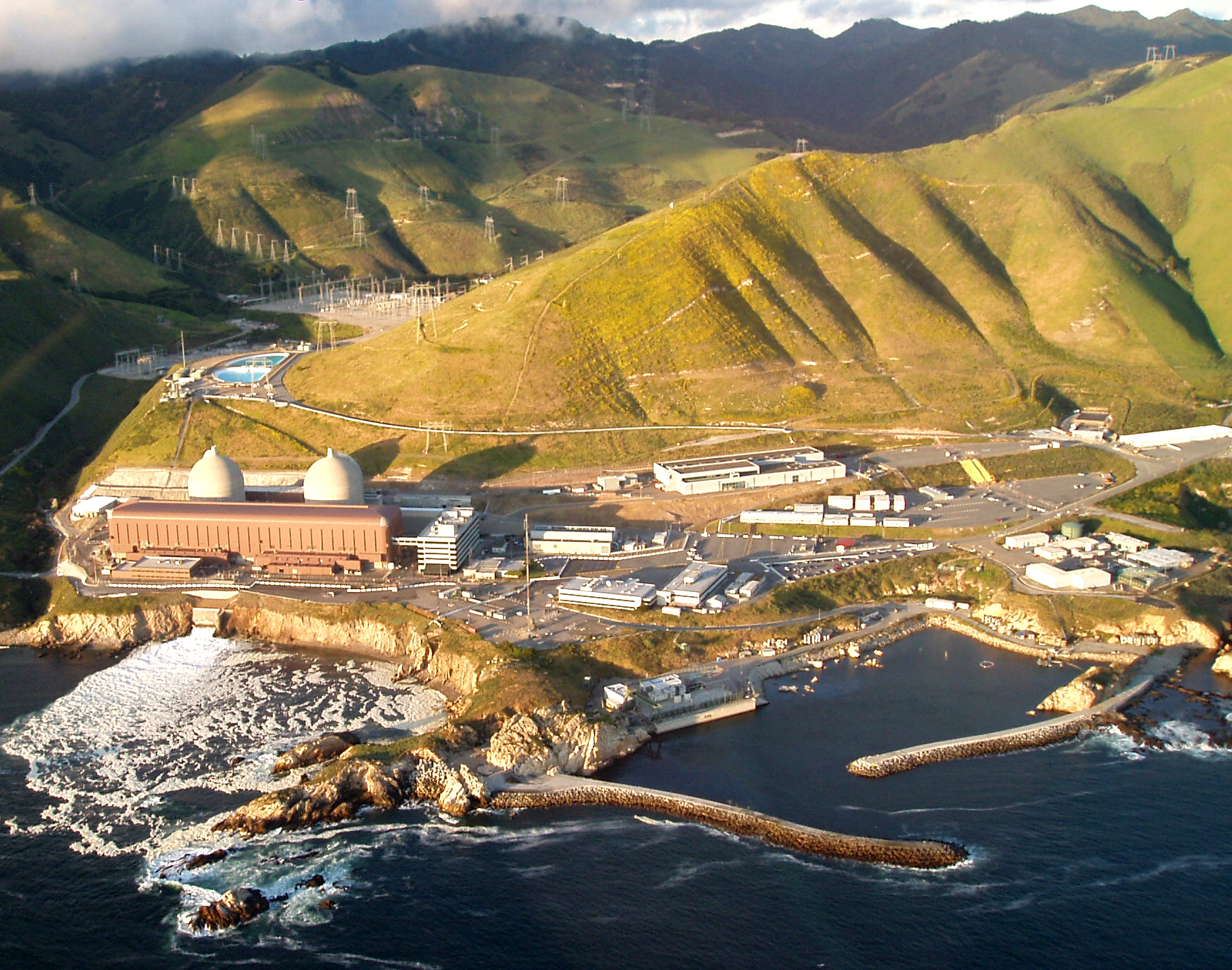
The end result: a few people with radiation burns, a local shortage of electricity, and a release of radiation that - while significant - doesn't come close to the radiation released by the thousands of atomic bomb tests performed in Nevada this last century. An area will be uninhabitable for a while.
Lessons learned: nuclear power is pretty darn safe, although you shouldn't build 50s-style reactors near the coast in a tsunami zone. If you do, don't live nearby. No surprises there.